Public Transport in Australia: A Complete Guide for International Students
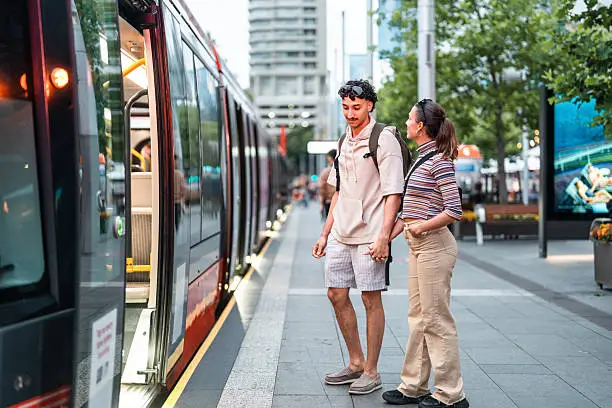
One of the biggest advantages of living and studying in Australia is its well-developed, reliable public transport network. Whether you are commuting to university lectures, heading to a part-time job, or heading out to explore scenic coastal spots, you will find clean and efficient buses, trains, trams, light rail, and ferries connecting major cities.
However, Australia does not have a single, unified national transport card. Each state operates its own independent transit network and issuing authority.
Here is a complete, human-written guide to understanding how public transport works in every major Australian city, how much it costs, and how to get around seamlessly.
Public Transport Cards by City
Before tapping on at a turnstile or bus door, you will need to know which payment method your host city uses.
City / Region | Main Transport Card | Key Payment Features |
|---|---|---|
Melbourne (VIC) | Myki | Physical card or digital card via mobile wallets. |
Sydney (NSW) | Opal Card | Accepts Opal cards, contactless credit/debit cards, and digital wallets. |
Brisbane & Gold Coast (QLD) | Go Card | Smartcard with discounted fares compared to single paper tickets. |
Perth (WA) | SmartRider | Rechargeable card offering auto-top-up discounts. |
Adelaide (SA) | MetroCARD | Smartcard for trains, trams, and buses; daily and 28-day passes available. |
Hobart (TAS) | Greencard | Rechargeable bus card with online management. |
Canberra (ACT) | MyWay+ | Modern ticketing system supporting contactless tap-and-go payments. |
Darwin (NT) | Local Bus Ticketing | Pay directly on board buses via physical tickets or local payment options. |
State-by-State Breakdown
Victoria (Melbourne)
Melbourne boasts an extensive grid of metropolitan trains, buses, and the world's largest urban tram network (Yarra Trams).
Card to use: Myki.
How it works: You can load funds into Myki Money (pay-as-you-go per trip) or buy a Myki Pass (unlimited travel across set consecutive days).
Where to buy: Train stations, 7-Eleven convenience stores, Myki vending machines, or online.
Local Tip: Travel within the Melbourne CBD "Free Tram Zone" is completely free—you do not need to tap on or off as long as your journey starts and ends within the zone.
New South Wales (Sydney)
Sydney's transit options include Sydney Trains, Sydney Metro, Light Rail, buses, and iconic harbour ferries.
Card to use: Opal Card or Contactless Bank Card/Phone.
How it works: You don't necessarily need to buy a physical Opal card. You can tap on and tap off using a Visa, Mastercard, American Express, Apple Pay, or Google Pay directly at the gates. Adult fares and daily caps apply automatically.
Queensland (Brisbane, Gold Coast & Sunshine Coast)
Translink connects South East Queensland via trains, buses, CityCat ferries, and the G:link Light Rail on the Gold Coast.
Card to use: Go Card.
How it works: Buying a Go Card saves you money compared to purchasing paper tickets for individual trips. Top-ups can be managed online, at train stations, or at participating newsagents.
Western Australia (Perth)
Transperth operates trains, buses, and ferries across Perth and surrounding areas.
Card to use: SmartRider.
How it works: Setting up auto-top-up via your bank account gives you an additional percentage discount on fares.
South Australia (Adelaide)
Adelaide Metro provides integrated train, tram, and bus services.
Card to use: MetroCARD.
How it works: Load value onto your card for single trips or purchase a 14-day or 28-day pass if you commute daily to campus.
Tasmania, ACT & NT
Hobart (TAS): Metro Tasmania buses are the primary mode of travel for university students, using the Greencard for fare discounts.
Canberra (ACT): Transport Canberra operates buses and light rail using the MyWay+ platform.
Darwin (NT): Relies on a simpler network of local public buses with tickets bought directly on board.
Are International Students Eligible for Student Discounts?
Student concession discounts vary significantly depending on which state you live in:
VIC & NSW: Concession travel for international students has traditionally been restricted or tied strictly to specific institution-sponsored travel passes (such as the iTfare or tertiary concession schemes). Many international university students pay full adult fares unless eligible under special institutional agreements.
QLD, WA, SA, & ACT: International students enrolled full-time in accredited tertiary courses generally qualify for tertiary student concession fares upon presenting their valid university ID and registering their transport card.
Rule of Thumb: Never buy or use a Concession Card without verifying your state's legal eligibility rules first. Transport officers frequently conduct ticket checks, and carrying an unauthorized concession card can result in heavy on-the-spot fines.
5 Pro-Tips to Save Money on Commuting
Always Tap On and Tap Off: Except Melbourne trams (where you only tap on unless travelling entirely in Zone 2), failing to tap off when exiting a train, bus, or ferry will result in a "default fare", charging you the maximum possible distance price for that route.
Register Your Transport Card: Create an account on your local transit authority's website and register your card serial number. If you lose your wallet or phone, you can block the lost card and transfer your balance to a new one.
Target Off-Peak Travel: Many networks (such as Sydney's Opal and Brisbane's Translink) offer 30% discounts when you travel outside morning and afternoon peak commuting hours.
Utilize Fare Caps: Most major networks feature daily or weekly fare caps. Once you reach the maximum spend cap in a day or week, subsequent trips during that period are free.
Download Local Journey Planner Apps: Download official apps (such as AnyTrip, Opal Travel, PTV, or Translink) or use Google Maps/Apple Maps to track live departures, delay updates, and route changes in real time.
Frequently Asked Questions
Can I use my Sydney Opal card when visiting Melbourne?
No. Each Australian state operates its own independent ticketing system. You will need a Myki card when visiting Melbourne.
What happens if I forget to tap off?
Your card will be charged the default maximum fare for that line the next time you tap on.
Can I pay directly with a credit or debit card?
In cities like Sydney and Canberra, tap-and-go credit/debit payments are widely integrated across trains, buses, light rail, and ferries. In other regions, contactless bank card payments are being progressively rolled out.
Final Thoughts
Australia offers a safe, modern, and supportive environment for international students. By keeping your wits about you, staying aware of your surroundings, and sticking to everyday common-sense precautions, you can focus on enjoying your studies and discovering everything your new home has to offer.
At StuLocal, we simplify every step of your Australian journey. From finding accommodation and navigating public transport to buying your first car, staying safe, and landing a part-time job, our practical guides give you the confidence to settle in seamlessly.
Have questions about settling into your new suburb or making the most of student life in Australia? Drop a comment below, we'd love to help!